
What makes a house a home?
Every transition—particularly significant ones like moving to a new city or country—carries elements of loss. Children must leave behind familiar belongings, relationships, and routines to enter an unfamiliar space. “Anchors” help TCK children navigate such transitions. They are the objects routines or traditions that provide a sense of home, even while traveling or settling into a new environment. They offer comfort, familiarity, and stability in the midst of change.
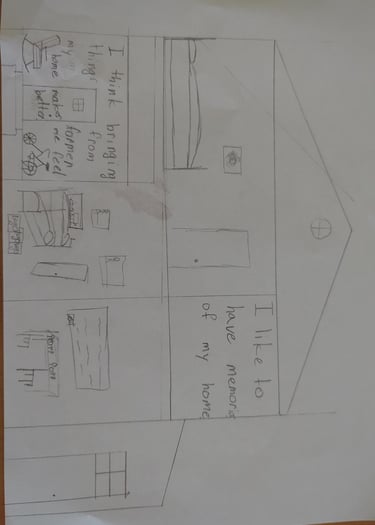
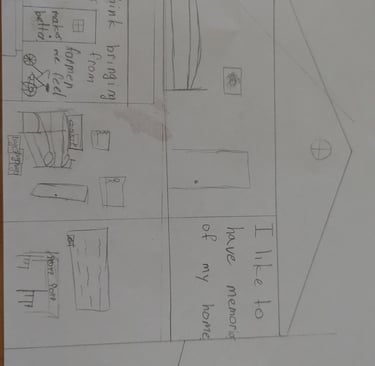
When not everything can come along:
When it is not possible to bring all important items, consider how you can support a meaningful goodbye and, where appropriate, plan for a replacement.
For example:
If your child loves their bicycle but it cannot be transported, you might plan together to purchase a new one upon arrival.
If your child has a large stuffed animal that cannot be moved, consider entrusting it to a close friend rather than discarding it. This can make the separation easier and maintain a sense of connection.
You might also take photographs of your child with meaningful objects or engaging in beloved routines.
If a routine cannot continue (e.g., visiting a local market that won’t exist in the new place), allow time to experience it one last time and say goodbye. Then, collaboratively explore new routines that could become meaningful in the new environment.
Final reflection
The goal of this activity is not the drawing itself, but the conversations it creates. It is about providing space for children to process change and preparing them emotionally for what lies ahead.
With intentionality, we can support our children in navigating transitions with greater awareness—and, most importantly, with the feeling of being understood, supported, and loved throughout the process.
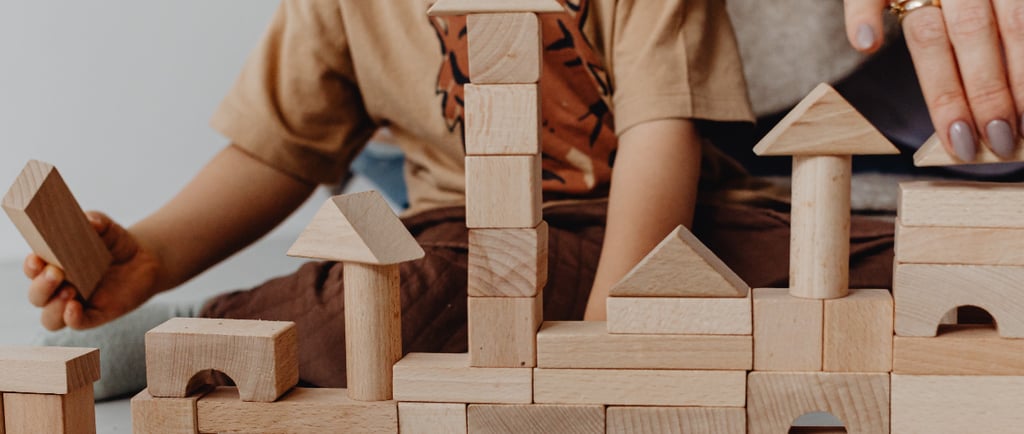


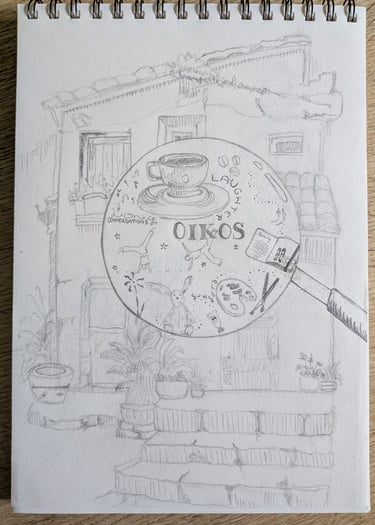
We asked Third Culture Kids (TCKs): “What makes a house feel like home to you?”
Among the most frequent responses were:
family traditions,
daily routines,
photographs and objects that evoke positive memories, and
transitional objects (such as toys, blankets, stuffed animals, etc.)
Transitional objects play a crucial role in emotional regulation, as they provide predictability, sensory continuity, and a sense of emotional security. While all children use them to help navigate gradual separation from caregivers, these objects take on an even more significant role for TCKs. In contexts marked by high mobility and frequent environmental changes, transitional objects serve as symbolic anchors of stability. They help children orient themselves in new environments and support emotional well-being through repeated experiences of change and separation.
Why is this important for us as parents?
Awareness of these dynamics becomes especially valuable:
during times of change,
when preparing for travel or encounters with new environments, contexts, or people, and
most importantly, when facing a relocation or move.
Our children may appear naturally resilient—especially if they are accustomed to change. They may seem strong and ready to embrace new experiences. However, the reality is that every transition—particularly significant ones like moving to a new city or country—carries elements of loss. Children must leave behind familiar belongings, relationships, and routines to enter an unfamiliar space.
These “anchors” help TCK children navigate such transitions. They are the objects or practices that provide a sense of home, even while traveling or settling into a new environment. They offer comfort, familiarity, and stability in the midst of change.
Preparing children proactively:
This understanding also allows us to take a proactive approach. When we know a family transition is approaching, we can prepare our children intentionally.
One simple and effective activity can be found on the activities page. Here’s how it works:
Print or draw the outline of a house.
Ask your children to draw the things that help them feel “at home” inside the house.
These may include objects, but also routines, traditions, or simple shared moments like laughing together.
Give them time to draw independently.
Sit next to your child and invite them to explain their drawing.
Ask open-ended questions to help them reflect on what they are leaving behind, as well as what they can bring with them—both physically and emotionally.
Avoid minimizing their responses. Instead, encourage them to share what matters to them.
This simple activity can help prepare your family for an upcoming move or transition. It creates space to put into words—or onto paper—the elements that make a place feel like “home.” This way, when you arrive in a new environment, you can intentionally preserve meaningful routines, traditions, and objects where possible. It is essential not to minimize what your children identify as important. This does not mean you will be able to bring everything with you or maintain every routine unchanged. However, it does mean listening without judgment, acknowledging their feelings, and validating what matters to them—because it is meaningful to them.