
Strengths and Growth Areas for TCKs
Every TCK has both strength and areas of growth due to their unique experience of growing up as a globally mobile child.
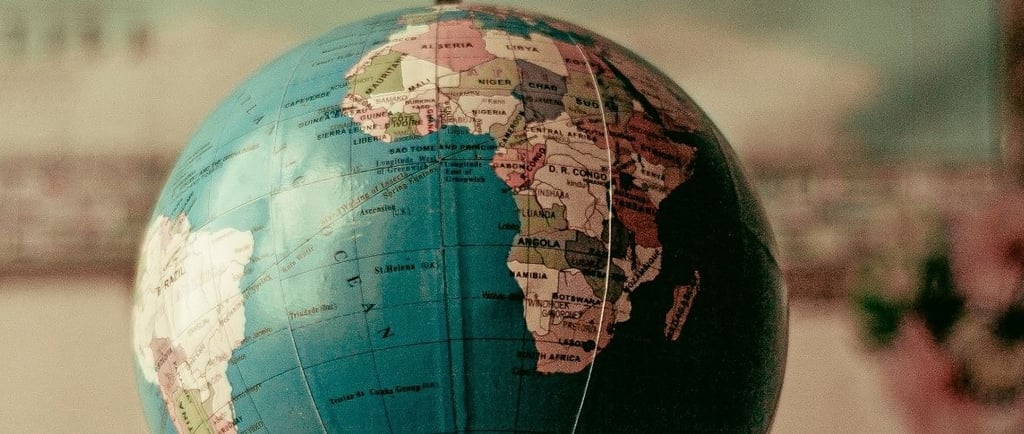
The advantages and challenges for TCKs are often paradoxical, in many cases representing two sides of the same coin. For example, the high mobility of a TCK's life often translates into special relationships with people around the world, but it also creates sadness due to the chronic loss of these relationships. However, it is precisely this pain that offers the opportunity to develop greater empathy for others. Or a TCK's broad worldview can enrich their history lessons, but make the horror of the massacre of Syrian citizens a painful reality. This same awareness can motivate a TCK's interest in solving these kinds of tragic problems.
“It always strikes me that much of the sociology, sense of history, geography, and questions about others that our friends' children try to understand through textbooks, my sisters and I have acquired simply by living.” Rachel Miller Schaetti.
Let's talk about some of the benefits and challenges that TCKs experience. It helps to be aware as parents, and therefore to have conversations or do activities to help our TCKs deal with the various challenges, or to realize the advantages. However, it is also useful for the TCK themselves to become aware of the unique and special life they have the opportunity and challenge to live.
Benefit 1: Expanded worldview. TCKs not only observe the geographical differences of the world, but also learn how people view life from different perspectives. The awareness that there can be more than one way of seeing the same thing begins early in the lives of TCKs.
Challenge 1: Confused loyalties. While broadening their worldview is a great advantage, it can also leave TCKs feeling confused about all sorts of things. Divided loyalties for TCKs often include complex issues such as politics, patriotism, and values. For example, should they support the policies of their passport country, even if those policies are harmful to the host country? Or should they support the host country even if it means opposing the policies of their own government? The new ideas that TCKs learn and their refusal to follow the cultural patterns of previous generations indiscriminately can sometimes make them unwanted citizens in their own countries.
Benefit 2: Three-dimensional view of the world. By living in different cultures, TCKs not only learn about cultural differences, but also experience the world in a tangible way, something that is impossible to do by reading books or watching TV. Because they have lived in so many places and seen so many things, when they read a newspaper or watch TV, the images they see come to life. They may not be present at the event, but they are aware of what it means for those who are.
Challenge 2: A painful awareness of reality. With this worldview, however, comes the painful reality that behind the news stories are real people. For example, when there is an earthquake or tsunami, TCKs are disconcerted by the fact that news anchors seem to focus primarily on the number of citizens from their own country who have died, almost as if the other lives lost do not matter. This can be one of the loneliest moments for TCKs, when the reality of their pain is all too real to them, but incomprehensible to those around them.
Benefit 3: Intercultural enrichment. TCKs are usually interested in cultures other than that of their country of origin. They enjoy reading news from the places where they have lived. They learn to appreciate aspects of the host culture that others may not appreciate. Most TCKs have learned to appreciate not only the more superficial layers of other cultures, but also the deeper levels of culture. They have lived in other places long enough to appreciate the reasons and understanding behind certain behavioral differences, rather than simply being frustrated by them.
Challenge 3: Ignorance of passport culture. The irony is that sometimes TCKs know so much about the host culture but so little about their own culture. TCKs are often ignorant about their national, local, or family history. One advantage TCKs have today is the internet. It is easier to follow changes in culture than in the past. However, while the media is a place for cultural learning, knowledge of facts alone is not enough to create cultural balance. Cultural cues and nuances are picked up unconsciously from our environment. When you change cultures, for example, humor is often another unknown factor. Jokes are often puns that have a double meaning specific to that culture or language. Few things make people feel more excluded than seeing everyone else laughing at something they don't understand as funny.
Benefit 4: Cultural chameleon: Adaptability. After spending some time observing what is happening, they can easily change their language, relationship style, appearance, and cultural practices to take on the characteristics necessary to better blend into the current situation. Cultural adaptability may arise as a survival tool, but it also has immense practical advantages. For example, TCKs usually learn to adapt relatively calmly to a life where meetings may start at the exact minute they are scheduled or two hours later. They learn to adapt to the unexpected.
Challenge 4: Lack of cultural balance. Although this adaptability helps them fit in with their peers on a day-to-day basis, TCKs may never feel truly comfortable. In addition, people may observe their ever-changing behavior and wonder who they really are and whether they can be trusted. TCKs who change contexts frequently may have difficulty deciding on their values. By always adapting, they may have difficulty knowing who they really are.
Benefit 5: Living with Less Prejudice. TCKs have the opportunity to meet people from different backgrounds. TCKs have the ability to enjoy this diversity and recognize that people from all backgrounds have something to offer in every situation and context. TCKs who make good use of their intercultural experiences learn that there is always a reason behind another person's behavior—however baffling it may seem—and can be more patient than others in a particular situation and try to understand the other person.
Challenge 5: Experiencing Greater Prejudice. Unfortunately, some TCKs have experienced such a sense of entitlement and superiority towards host citizens during their stay that they carry deep prejudices with them. This often depends on their parents and their relationship with the local culture. Often, these prejudices are directed towards the culture of their passport country. They have less patience and understanding of the culture where they were born.
Some of the difficulties are not so obvious when the child is growing up and still living in this third culture experience. Often, parents of young TCKs are not so sure that the TCK profile is accurate. Perhaps they are happy to believe in the gifts that are forming and to see the wonderful opportunities their children have to explore the world in so many positive ways. And they are right. But it is important to realize that there are also challenges and disadvantages. When adults hold on to the idea that TCK challenges belong to the future, they are not prepared to help their children deal well with the hidden challenges that arise. What parents may not realize is that children do not have a sophisticated language to express the paradoxical feelings of their experience. It is disorienting for TCKs to feel excited about visiting grandparents and cousins while at the same time feeling great sadness at leaving a place and friends they love.
It is important that we become aware of the challenges our TCKs face and also the strengths they can develop through the unique experiences they are privileged to have. It is important to be aware of this both as a TCK and as a parent because in difficult times it is encouraging to know that they will have many advantages, and it is important to know both as a TCK and as a parent how we can strengthen the weaknesses they experience and live with. When we are aware, we can be proactive in having important conversations and providing tools to deal with the good and the not-so-good.
God is faithful, and their lives are in His hands. “And I am confident of this very thing, that He who began a good work in you will perfect it until the day of Christ Jesus (Phil. 1:6).”
This article is largely based on the book: "Third Culture Kids: Growing up among worlds", by Pollock, Van Reken, and Pollock.